
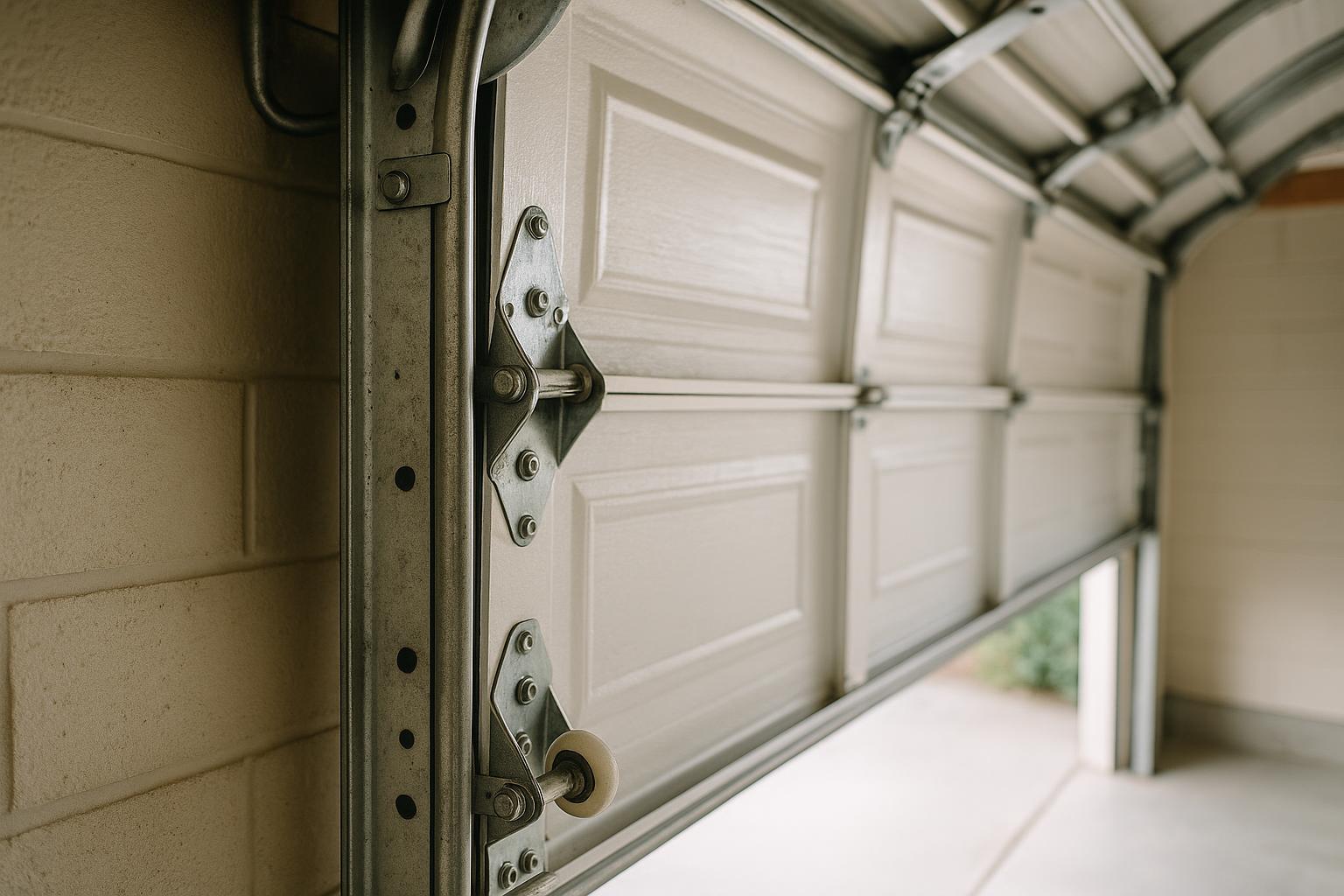
Your Garage Door Shouldn't Sound Like That
You press the button on your garage door opener, and instead of a smooth, quiet operation, you're greeted with grinding, squealing, popping, or rattling. If your garage door has started making noises that make you cringe — or that your neighbors can hear from across the street — it's not something you should ignore.
A noisy garage door is more than just an annoyance. Those sounds are often early warning signs of worn parts, misalignment, or mechanical issues that can lead to bigger (and more expensive) problems down the road. Here in Southfield, where our garage doors work overtime through freezing winters and humid summers, wear and tear adds up fast.
At Southfield Overhead Garage Door, we hear about noisy garage doors all the time. Let's break down the most common sounds, what they mean, and what you should do about each one.
Grinding Noises: Metal on Metal
A grinding sound is one of the most common complaints we hear from homeowners. It usually means metal components are rubbing against each other without proper lubrication, or that something has shifted out of alignment.
Common Causes of Grinding
- Dry or worn rollers: Steel rollers that haven't been lubricated will grind against the track. Nylon rollers are quieter but can also wear down over time.
- Misaligned tracks: If the vertical or horizontal tracks have shifted even slightly, the door can drag and grind as it moves.
- Opener gear issues: Many chain-drive and screw-drive openers develop grinding sounds when the internal gears start to strip or wear out.
If you're hearing grinding, start by checking whether the rollers look worn or cracked. But if the noise is coming from the opener unit itself, that's a sign the drive gear may need replacement — something best handled by a professional.
Squealing or Screeching: A Cry for Lubrication
High-pitched squealing or screeching is your garage door's way of begging for maintenance. This sound is almost always related to friction between moving parts that need lubrication.
What to Check
- Hinges: The hinges that connect your door panels pivot every time the door opens and closes. Without lubrication, they'll squeal.
- Torsion spring coils: As springs wind and unwind, dry coils can produce a loud screeching sound.
- Bearing plates and pulleys: These small but critical components can dry out and create noise at the top of the door system.
A quality garage door lubricant — not WD-40, which is a solvent, not a lubricant — applied to hinges, rollers, springs, and bearing plates can often eliminate squealing immediately. We recommend homeowners in Southfield and surrounding areas like Farmington Hills and Royal Oak lubricate their garage door hardware at least twice a year, ideally before winter and again in spring.
Rattling and Vibrating: Something Is Loose
Rattling sounds usually point to loose hardware. Your garage door system has dozens of nuts, bolts, screws, and brackets, and the constant vibration of daily use can loosen them over time.
Where to Look
- Track brackets: The brackets that secure the tracks to the wall and ceiling can loosen, causing the whole system to rattle.
- Chain or belt tension: A loose chain on a chain-drive opener will slap and rattle during operation.
- Loose panels or hardware: Bolts connecting the hinges to the door panels can work themselves loose.
Grab a socket wrench and tighten any visibly loose bolts and brackets. Just be careful not to overtighten — you can strip the holes or warp the track. If the rattling is coming from the opener's chain, adjusting the tension is usually straightforward, but check your owner's manual for the correct procedure.
Banging or Popping: Don't Ignore This One
A loud bang or pop when your garage door operates is the most concerning noise on this list. It can indicate a serious mechanical issue that needs immediate attention.
Possible Causes
- Torsion spring issues: A popping or snapping sound can mean a spring is under extreme stress or has partially broken. A fully broken spring will produce a loud bang — almost like a gunshot — and your door will likely stop working entirely.
- Panels shifting: Warped or damaged panels can pop as they move through the tracks under tension.
- Blocked or bent tracks: If something is obstructing the track or the track is bent, the door can slam or pop as the rollers try to force their way through.
If you hear a sudden loud bang from your garage, especially when the door isn't in use, there's a good chance a torsion spring has snapped. Do not attempt to operate the door or repair the spring yourself. Torsion springs are under extreme tension and can cause serious injury. Call a professional right away.
Humming or Buzzing: Opener Trouble
If your garage door opener hums or buzzes but the door doesn't move, the motor is running but can't engage the drive mechanism. This can happen for several reasons:
- Stripped gears inside the opener: The most common cause, especially in older units.
- The door is stuck or obstructed: If the door is locked, frozen to the ground (common during Southfield winters), or blocked by debris, the motor will strain and hum without moving the door.
- Capacitor failure: The start capacitor gives the motor the initial boost it needs. When it fails, you'll hear humming but get no movement.
Before calling for service, check that the door isn't locked and that nothing is blocking it. In winter, ice can form along the bottom seal and freeze the door to the garage floor. Gently breaking the seal free can sometimes solve the problem. If the motor continues to hum without moving the door, it's time for a repair.
When to DIY and When to Call a Pro
Some garage door noise issues are simple enough for a handy homeowner to address:
- Lubrication: Apply a silicone-based or lithium-based garage door lubricant to all moving parts.
- Tightening hardware: Go through and snug up any loose bolts and brackets.
- Visual inspection: Look for obviously worn rollers, cracked hinges, or bent tracks.
However, certain repairs should always be left to professionals:
- Anything involving torsion springs
- Track realignment
- Opener motor or gear replacement
- Cable repair or replacement
Working on high-tension components without the right tools and training is dangerous. It's not worth the risk when experienced help is just a phone call away.
Keep Your Garage Door Running Quietly
The best way to prevent a noisy garage door is regular maintenance. A professional tune-up once a year can catch worn parts before they fail, keep everything properly lubricated, and ensure your door operates smoothly and safely. For homeowners in Southfield, Beverly Hills, Berkley, Lathrup Village, and the surrounding communities, Southfield Overhead Garage Door offers comprehensive maintenance services designed to extend the life of your door and keep it running quietly.
If your garage door is making a noise that doesn't sound right, don't wait for a small issue to turn into a major repair. Give us a call — we'll diagnose the problem, explain your options with honest pricing, and get your door back to smooth, quiet operation.